Wellbeing in primary schools matters because the early years of education help shape how children see themselves, relate to others and respond to challenges. Primary school does far more than build knowledge in reading, writing and maths. It also helps children develop confidence, emotional awareness and the habits that support healthy learning and positive relationships over time.
That is one reason wellbeing is now seen as a core part of school life rather than something separate from it. When children feel safe, included and supported, they are far more likely to engage in learning and build a positive connection with school.
During the primary years, children are still developing some of the most important foundations for later life. They are learning how to recognise feelings, manage disappointment, communicate with others and make sense of the world around them. When schools support these areas well, pupils are more likely to feel secure, valued and ready to learn.
This stage also helps shape how children feel about school itself. Positive primary experiences can help pupils see school as a safe, supportive place. Poorer experiences can affect confidence, behaviour and engagement. The
Department for Education’s primary relationships education guidance makes clear that primary schools should teach relationships and health content in ways that support children’s development and wellbeing.
Wellbeing in primary schools is strongest when it runs through both daily practice and planned learning. That may look like calm, consistent classroom routines, warm teacher-pupil relationships and the use of clear language to help children talk about feelings, friendships, health and personal safety.
It also works best when it is progressive. Children in Key Stage 1 need different language, examples and support from children in upper Key Stage 2. This kind of progression is important in primary schools, where wellbeing content needs to be carefully sequenced so that learning remains clear, relevant and age appropriate. The
PSHE Association Programme of Study is designed to support progression across key stages, helping schools plan content that is coherent and age appropriate.
Good practice in this area goes beyond a single lesson or a themed week. A whole-school approach is usually reflected in routines, behaviour systems, staff language, assemblies and opportunities for pupil voice. In other words, wellbeing is supported through the culture of the school as well as through the curriculum.
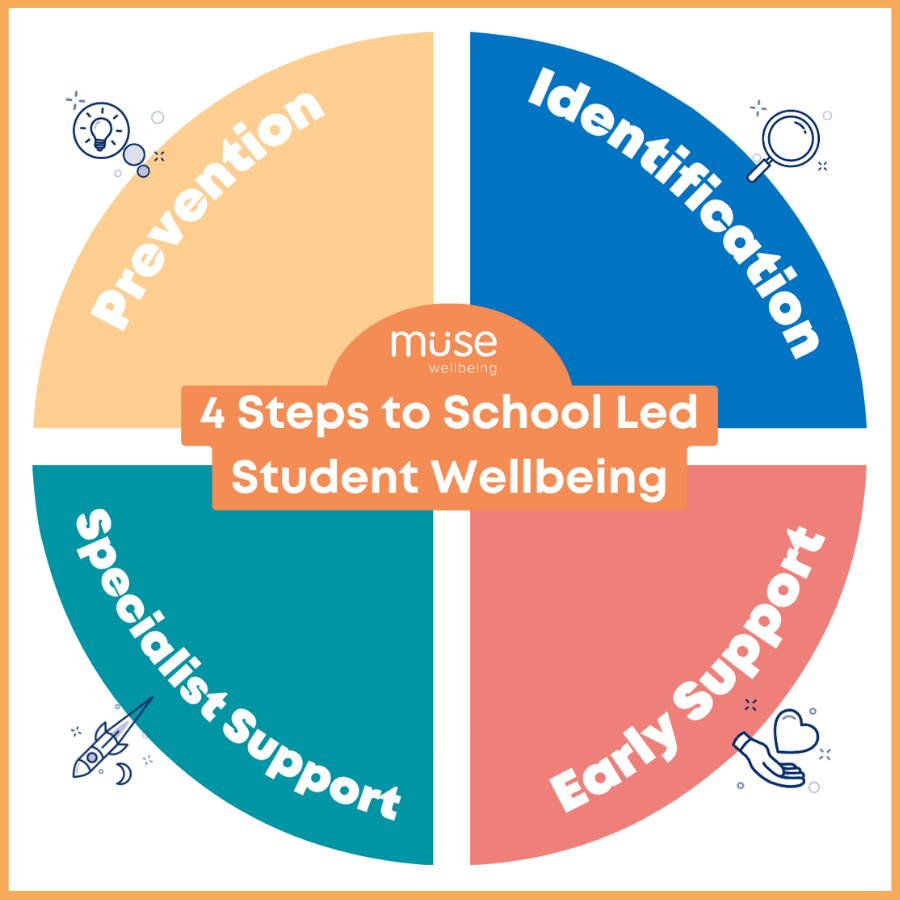
This wider picture is explored in our guide to
wellbeing in schools. For primary schools, the key is making sure that this broader approach feels accessible, age appropriate and realistic for younger pupils.
Many primary schools support wellbeing through a mix of direct teaching and small daily practices. This might include regular check-ins, reflection time, the use of simple emotional language, positive classroom routines and chances for children to talk about friendships, worries and resilience in ways they can understand. Some schools also build pupil leadership around wellbeing through peer support or ambassador roles. For schools looking at practical next steps, our article on
how to promote wellbeing in schools looks at how schools can turn good intentions into consistent practice.
Children’s wellbeing remains a major national concern, and schools are one of the clearest places where support can be built into everyday life. The
Children’s Society Good Childhood Report 2025 continues to track how children feel about different areas of their lives, including school, and its findings underline the importance of creating environments where pupils feel safe, connected and heard.
For primary schools, this matters especially because early support can have a long-term effect. When children begin to understand emotions, build healthy relationships and feel part of a positive school community, they are more likely to carry those skills forward into later education and daily life.
Wellbeing in primary schools is not separate from learning. It is closely tied to behaviour, relationships, confidence and the wider culture of the school. The strongest primary settings are often the ones that treat wellbeing as part of everyday practice, supported by clear teaching, consistent routines and a shared understanding of what children need in order to thrive.